Skin Checks
BOARD-CERTIFIED DERMATOLOGICAL TREATMENT
Full-body skin checks are the best way to catch skin cancer early. Our board-certified dermatologists in Orlando, Lake Mary, Winter Park and Melbourne check you from head to toe and look closely at any spot that has changed.
What Is a Skin Check?
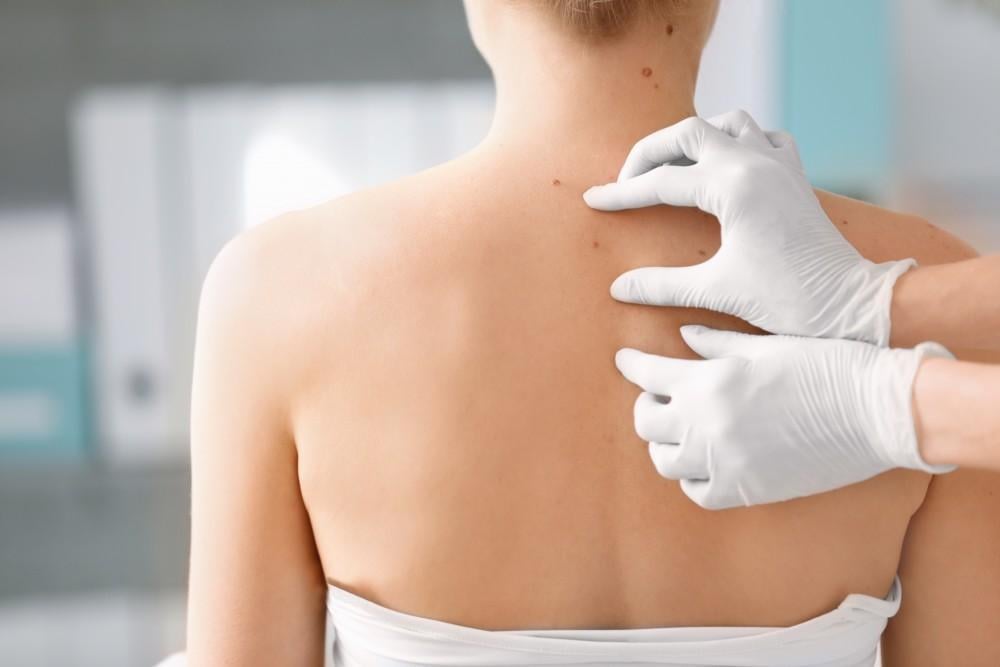
A skin check is a full-body exam by a dermatologist to look for skin cancer and spots that could become cancer. Florida’s strong, year-round sun means Central Florida residents build up more UV exposure than people in most of the country, so regular skin exams are one of the most important things you can do for your skin.
Most skin cancers are highly treatable when they are found early. A dermatologist can spot changes that are easy to miss on your own, especially on your back, scalp and other hard-to-see areas.
Knight Dermatology is led by J. Matthew Knight, MD, a board-certified dermatologist and Mohs surgeon. Our team offers skin checks at our Orlando, Lake Mary, Winter Park and Melbourne offices, and we are accepting new patients.
What We Look For
During your exam, your provider checks for the most common types of skin cancer and for spots that need a closer look or monitoring over time.
Basal Cell Carcinoma
Basal cell carcinoma often appears as a pearly or waxy bump, a flat, scar-like patch, or a sore that bleeds, heals and returns. It usually shows up on the face, ears, neck and scalp.
It grows slowly and rarely spreads, but it can damage surrounding tissue if left untreated. Early treatment keeps it small and simple to remove.
Squamous Cell Carcinoma
Squamous cell carcinoma can look like a firm red bump, a scaly patch or a sore that does not heal. It is common on the face, ears, lips, hands and other areas that get a lot of sun.
It is more likely than basal cell carcinoma to spread, so new or changing rough spots should be checked promptly.
Melanoma
Melanoma can develop in an existing mole or appear as a new dark spot. Warning signs include asymmetry, irregular borders, uneven color, a diameter larger than a pencil eraser, and any change in size, shape or color.
Florida has one of the highest rates of melanoma in the country. Found early, melanoma is highly treatable, which is why yearly skin checks matter.
Atypical Moles
Atypical (dysplastic) moles are larger or more irregular than common moles. Most never become cancer, but having many of them raises your melanoma risk.
Your provider may recommend monitoring these moles over time or removing one for testing. Learn more about moles.
Actinic Keratoses
Actinic keratoses are dry, rough or scaly spots caused by years of sun exposure. They are common on the face, scalp, ears and backs of the hands.
Because some can turn into squamous cell carcinoma, dermatologists usually treat them. See sun damage.
WHAT TO EXPECT
What Happens During a Skin Check?
A skin check is quick, comfortable and takes about 15 minutes. Here is what your visit includes.
Your Skin History
Your provider asks about sunburns, tanning, any spots that have changed, and your personal or family history of skin cancer.
A Head-to-Toe Exam
We examine your skin from scalp to soles, including your back, scalp, behind the ears and other places that are hard to see yourself.
A Closer Look With Dermoscopy
Spots that look unusual are examined with a dermatoscope, a lighted magnifier that shows structures beneath the skin surface.
A Biopsy if Needed
If a spot looks concerning, we may remove a small sample in the office after numbing the area and send it for testing.
Results and Next Steps
We share biopsy results and explain your options. Most early skin cancers need only a simple in-office treatment.
Mohs Surgery When It Matters
For skin cancers on the face and other sensitive areas, our Mohs surgeons remove the cancer layer by layer while sparing healthy skin.
WHO SHOULD COME IN
Who Needs Regular Skin Checks?
Dermatologists recommend a full-body skin exam every year for most adults, and more often if any of these apply to you.
Fair Skin or Frequent Burns
Light skin, light eyes, red or blond hair, or skin that burns easily all raise your risk of skin cancer.
A History of Sunburns
Blistering sunburns, especially in childhood, and any tanning bed use increase your lifetime risk.
Many or Unusual Moles
Having more than 50 moles, or moles that look atypical, makes regular checks especially important.
Family History
A parent, sibling or child with melanoma or other skin cancer means you should be checked more often.
Past Skin Cancer
If you have had skin cancer before, you are more likely to develop another. Follow-up exams catch new spots early.
Lots of Time Outdoors
Florida golfers, boaters, beachgoers and anyone who works outside build up UV exposure faster than most.
FAQs
Frequently Asked Questions About Skin Checks
How often should I get a skin check?
Is a skin check covered by insurance?
How should I prepare for my skin check?
Does a skin check hurt?
How can I check my own skin between visits?
When should I book a visit sooner?