Acne Scar Treatment
BOARD-CERTIFIED DERMATOLOGICAL TREATMENT
Acne can leave pits, uneven texture and dark marks long after breakouts clear. Our board-certified dermatologists in Orlando, Lake Mary, Winter Park and Melbourne build treatment plans that smooth scars and even out skin tone.
What Are Acne Scars?
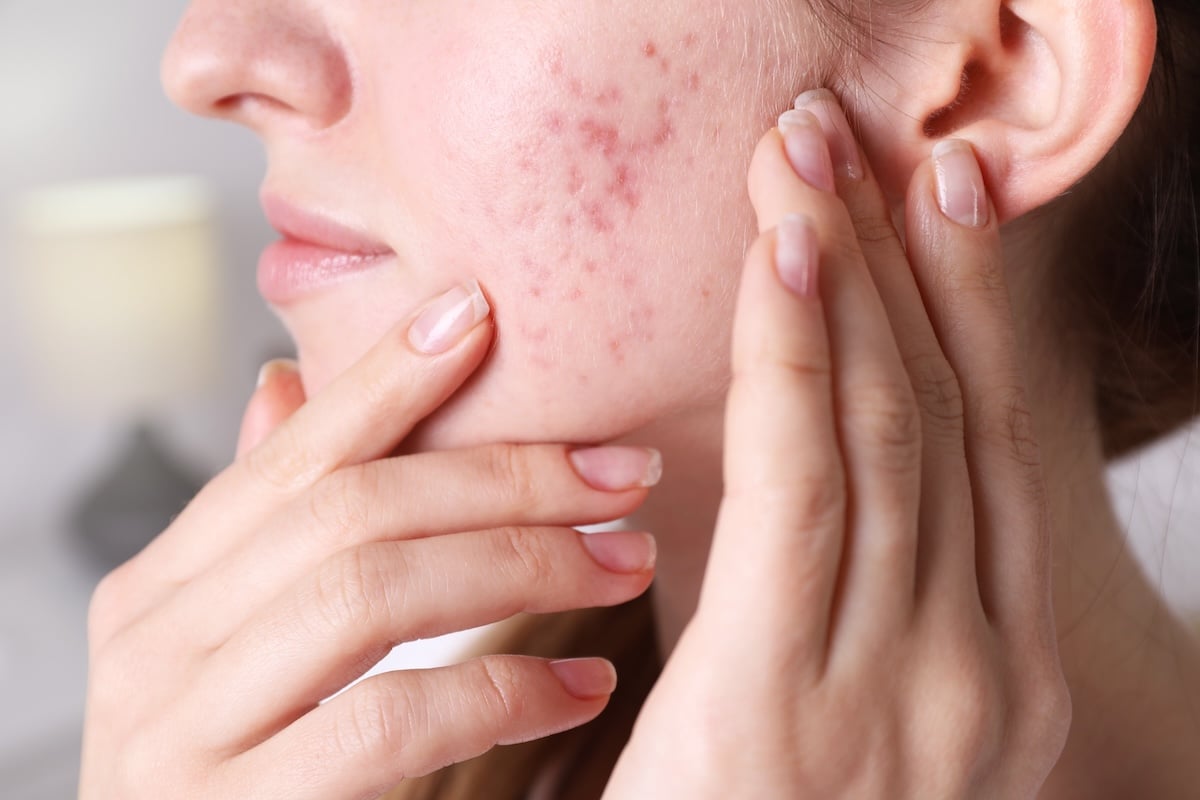
Acne scars form when deep or inflamed breakouts damage the skin and the collagen beneath it. As the skin heals, it can leave behind pits, uneven texture or raised areas. Many people also have flat dark or red marks after breakouts, which are discoloration rather than true scars.
Scars are most common after cystic and nodular acne, and picking or squeezing blemishes makes them more likely. The good news is that most acne scars can be improved with the right combination of treatments.
At Knight Dermatology, our board-certified dermatologists treat acne scars at our Orlando, Lake Mary, Winter Park and Melbourne offices. We are accepting new patients.
Types of Acne Scars
Knowing which kind of scarring you have is the first step to choosing the right treatment. Most people have more than one type.
Ice Pick Scars
Ice pick scars are small but deep, extending down into the skin like a puncture. They are common on the cheeks.
Because they are narrow and deep, they are among the harder scars to treat and usually need a series of treatments.
Boxcar Scars
Boxcar scars are round or oval dents with defined, steep edges, often on the cheeks and temples.
Shallow boxcar scars tend to respond well to resurfacing treatments that rebuild collagen.
Rolling Scars
Rolling scars have sloping edges that give the skin a wavy texture, especially in angled light.
They form when bands of scar tissue pull the skin down from beneath, and often improve with collagen-stimulating treatments.
Raised Scars
Raised (hypertrophic) scars and keloids form when the skin makes too much collagen while healing. They are most common on the chest, back, shoulders and jawline.
These scars are treated differently from depressed scars, so a dermatologist’s evaluation matters.
Dark Marks
Post-inflammatory hyperpigmentation is a flat brown or dark mark that remains after a pimple heals. It is especially common in medium and darker skin tones.
These marks often fade with time, sun protection and targeted treatment. See hyperpigmentation.
Red Marks
Red marks are caused by small blood vessels left dilated after inflammation. They are flat and most noticeable on lighter skin.
They usually fade over months, and light-based treatments that target redness can speed that up.
TREATMENT
How Are Acne Scars Treated?
Most patients see the best results from a combination of treatments over several sessions. Your plan depends on your scar type, skin tone and how much downtime you can manage.
Laser Resurfacing
Resurfacing lasers remove or heat damaged layers of skin and stimulate new collagen to soften pitted scars and smooth uneven texture.
Light and Vascular Treatments
Light-based and vascular treatments target lingering redness and red marks left after breakouts.
Chemical Peels
Peels remove the outer layer of skin to fade dark marks, refine texture and improve the look of shallow scars.
Medical-Grade Skin Care
Prescription and professional-strength products help fade discoloration and keep skin healthy between in-office treatments.
Treat Active Acne First
New breakouts can cause new scars, so we get acne under control before starting scar treatment. See acne treatment.
A Plan Built Around You
We combine treatments and space sessions to fit your skin type, schedule and goals, and set realistic expectations from the start.
PREVENTION
How To Prevent New Acne Scars
The best way to limit scarring is to treat acne early and protect healing skin.
Treat Acne Early
The sooner acne is under control, the lower the risk of scarring. Do not wait for cystic or painful acne to clear on its own.
Don’t Pick or Squeeze
Picking pushes bacteria deeper, increases inflammation and makes scars and dark marks more likely.
Wear Sunscreen Daily
Sun exposure darkens marks and slows fading. Use a broad-spectrum, non-comedogenic SPF 30 or higher every day.
Be Gentle With Your Skin
Harsh scrubs and over-washing irritate skin and can worsen inflammation. Use a gentle cleanser twice a day.
Stick With Your Plan
Acne and scar treatments take weeks to work. Using them consistently gives your skin the best chance to heal smoothly.
See a Dermatologist for Deep Acne
Nodules and cysts are the most likely to scar, and they need prescription treatment from a dermatologist.
FAQs
Frequently Asked Questions About Acne Scars
Can acne scars be removed completely?
How many treatments will I need?
Is acne scar treatment safe for darker skin tones?
Is there downtime?
When can I start treating my scars?
Are dark spots after acne the same as scars?