Acne
BOARD-CERTIFIED DERMATOLOGICAL TREATMENT
Acne affects most people at some point, from teenage breakouts to adult and cystic acne. Our board-certified dermatologists in Orlando, Lake Mary, Winter Park and Melbourne build treatment plans that clear active breakouts and help prevent scarring.
What Is Acne?
According to the American Academy of Dermatology (AAD), acne is the most common skin condition in the United States, affecting up to 50 million Americans each year. Most people first develop acne as teenagers, but it can continue into adulthood or appear for the first time in your 20s, 30s or later. The AAD estimates that about 85% of people between the ages of 12 and 24 have at least minor acne.
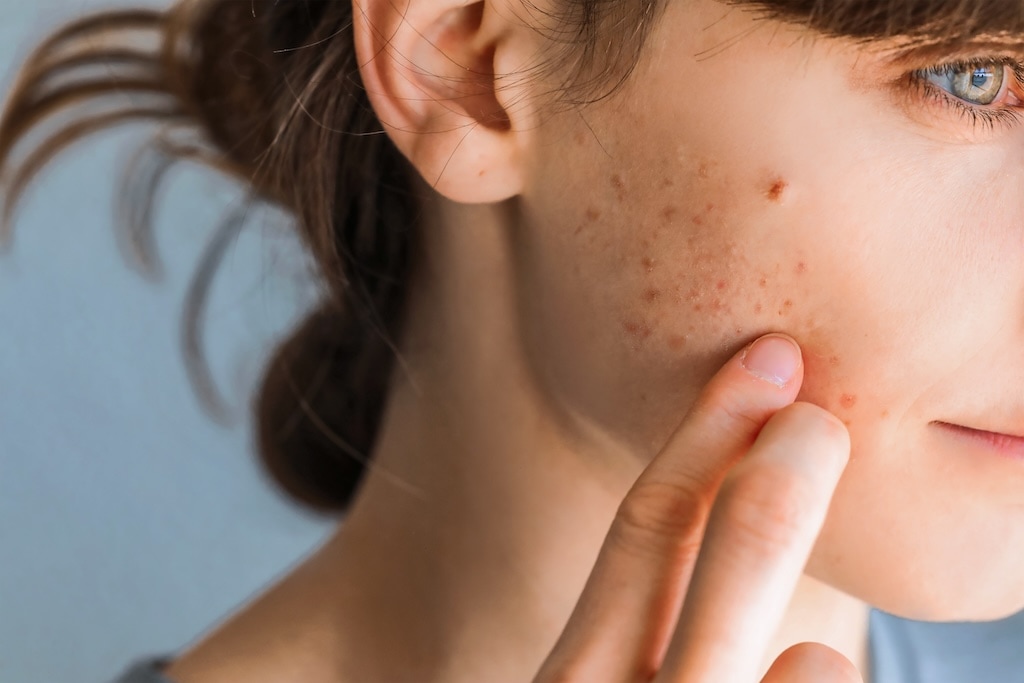
Acne is an inflammatory condition of the hair follicles and oil glands. It develops when excess oil (sebum), dead skin cells and bacteria clog pores, leading to inflammation. Hormones, genetics, certain medications, stress and some skin care or cosmetic products can all play a role. Acne most often appears on the face, neck, chest, back and shoulders, and it ranges from occasional whiteheads and blackheads to deep, painful cysts that can leave permanent scars.
At Knight Dermatology, our board-certified dermatologists see patients with acne at every stage of life in Orlando, Lake Mary, Winter Park and Melbourne. Identifying the type and cause of your acne is the first step toward a treatment plan that clears breakouts and helps prevent scarring.
Types of Acne
Acne can show up in many forms, and understanding what you’re dealing with is the first step toward effective treatment. Non-inflammatory acne includes whiteheads and blackheads; inflammatory acne includes papules, pustules, nodules and cysts. Many people have more than one type at the same time.
Whiteheads
Whiteheads, also called closed comedones, are clogged pores that form when oil and dead skin cells become trapped beneath the skin’s surface. Because the pore stays closed, the plug appears as a small white or flesh-colored bump on the face, neck, chest or back.
Whiteheads are a non-inflammatory form of acne and usually respond well to topical retinoids and salicylic acid, which encourage skin cell turnover and keep pores clear. Squeezing whiteheads can push debris deeper into the skin and trigger inflammation, so it’s best to leave them alone.
Blackheads
Blackheads, or open comedones, occur when a pore is clogged but remains open to the air. The dark color is not dirt: it comes from oxidation of the oil and skin cells at the surface of the plug.
Like whiteheads, blackheads are non-inflammatory. Topical retinoids, salicylic acid and professional extractions or chemical peels can clear them. A dermatologist can safely remove stubborn blackheads without damaging the surrounding skin.
Papules
Papules are small, raised red bumps that form when the walls around a clogged pore break down and the follicle becomes inflamed. They can be tender to the touch and often appear in clusters.
Mild papular acne may improve with benzoyl peroxide and topical retinoids. More widespread or persistent papules often need prescription treatment, such as a topical antibiotic or a short course of oral antibiotics, to calm inflammation and prevent new breakouts.
Pustules
Pustules are what most people call pimples or zits. They are similar to papules but filled with pus, so they appear as red, swollen bumps with a white or yellow center.
Picking or popping pustules increases the risk of infection, dark marks and scarring. Benzoyl peroxide, topical and oral prescription medications and, for some patients, hormonal therapy can bring pustular acne under control.
Nodules
Nodules are large, solid, painful lumps that develop deep beneath the skin’s surface. They form when a clogged follicle ruptures deep in the skin, and they can last for weeks or months.
Nodular acne does not respond to over-the-counter products and is a common cause of acne scarring. A dermatologist should treat it early, typically with prescription oral medications such as antibiotics, hormonal therapy or isotretinoin.
Cystic Acne
Cystic acne is the most severe form of acne. It causes large, painful, pus-filled cysts deep under the skin, often alongside nodules (nodulocystic acne). Cysts can appear on the face, chest, back and shoulders.
Because cystic acne frequently leaves permanent scars, prompt treatment by a dermatologist is important. Options include isotretinoin, oral antibiotics, hormonal therapy for women and, for individual painful cysts, in-office corticosteroid injections that reduce swelling quickly.
TREATMENT
How Is Acne Treated?
Acne treatment varies for each person and depends on the type of acne you have, how severe it is, where it appears and how your skin responds. Most patients see the best results from a combination of treatments. Your Knight Dermatology provider will build a plan around your skin and adjust it as your acne improves.
Topical Treatments
Prescription and over-the-counter topicals are the foundation of most acne plans. Retinoids derived from vitamin A, such as tretinoin and adapalene, exfoliate the skin and keep pores from clogging. Benzoyl peroxide kills acne-causing bacteria, salicylic acid clears whiteheads and blackheads, and topical antibiotics or azelaic acid reduce inflammation.
Oral Antibiotics
For larger papules and pustules, or acne on the back, chest or neck, your dermatologist may prescribe an oral antibiotic such as doxycycline or minocycline. Antibiotics reduce bacteria and inflammation and are usually prescribed for a limited period alongside a topical treatment like benzoyl peroxide to lower the risk of antibiotic resistance.
Isotretinoin
Isotretinoin is an oral retinoid for severe nodular or cystic acne, or acne that hasn’t responded to other treatments. It shrinks oil glands, reduces oil production and can lead to long-term clearance. Because of possible side effects, patients need regular follow-up visits and lab monitoring, and treatment in the U.S. requires enrollment in the iPLEDGE program.
Hormonal Therapy
Hormones play a major role in acne, especially for women with breakouts along the jawline and chin. Certain birth control pills and spironolactone can reduce the hormone-driven oil production that triggers acne, and research has found birth control pills can be about as effective as oral antibiotics for acne in women.
Chemical Peels
Chemical peels use acids such as salicylic or glycolic acid to remove the outer layer of dead skin cells, unclog pores and improve skin texture. They can help with whiteheads, blackheads and post-acne dark marks, and are often combined with a topical routine for faster results.
Laser Therapy & Light Treatments
Laser and light-based treatments can reduce acne-causing bacteria and inflammation, fade redness and dark marks left by breakouts, and improve the appearance of acne scars once active acne is under control. Your dermatologist will recommend the device and settings that are safe for your skin type.
PREVENTION
How To Prevent Acne Breakouts
Not every breakout can be prevented, and moderate to severe acne usually needs medical treatment. These everyday habits can reduce flare-ups and help your treatment work better.
Choose Non-Comedogenic Products
Look for makeup, sunscreen and moisturizers labeled “non-comedogenic” or “oil-free,” which are formulated not to clog pores. Remove makeup every night, and avoid heavy hair oils and pomades that can cause breakouts along the hairline and forehead.
Wash Gently, Twice a Day
Cleanse your face in the morning and evening, and after sweating, with a mild cleanser and lukewarm water. Scrubbing, harsh soaps and abrasive tools irritate the skin and can make acne worse, so use your fingertips and pat dry.
Don’t Pick or Squeeze
Picking, popping or squeezing blemishes pushes bacteria deeper into the skin, prolongs healing and increases the risk of dark marks and permanent scars. If a painful blemish won’t go away, a dermatologist can treat it safely.
Protect Your Skin From the Sun
Sun exposure can darken the marks acne leaves behind, and some acne medications make skin more sensitive to UV light. In the Florida sun, wear a broad-spectrum, non-comedogenic sunscreen with SPF 30 or higher every day, and reapply when you’re outdoors.
Watch Your Diet and Stress
Research suggests that high-glycemic foods, such as sugary drinks and white bread, and skim milk may worsen acne in some people. Stress can also trigger flares. A balanced diet, regular exercise and good sleep support clearer skin.
Start Treatment Early
The earlier acne is treated, the lower the risk of scarring. If over-the-counter products haven’t helped after six to eight weeks, or your acne is painful, leaving marks or affecting your confidence, it’s time to see a dermatologist.
FAQs
Frequently Asked Questions About Acne
When should I see a dermatologist for acne?
How long does acne treatment take to work?
Can adults get acne?
Does diet cause acne?
Can acne scars be treated?
Is it okay to pop pimples?