TREATMENTS
Skin Cancer Treatment

Living in Orlando, Florida means enjoying sunshine almost year-round—but that also comes with a higher risk of skin cancer. Florida’s subtropical climate brings intense UV radiation nearly every day, increasing cumulative sun exposure even from routine activities like walking the dog or driving. Over time, this frequent sun exposure can lead to DNA damage in skin cells, raising the risk of Basal cell carcinoma, Squamous cell carcinoma, and Melanoma.
Because of this elevated UV index, Orlando residents are encouraged to practice daily sun protection—including SPF use, protective clothing, and regular skin checks. Early detection through routine dermatology visits is one of the most effective ways to reduce the impact of Florida’s higher skin cancer risk.
Prevention Saves Lives
A skin self-exam will help you become familiar with the moles and spots on your body, making it easier for you to spot any irregularities that could indicate the early signs of cancer. Our dermatologists recommend examining your skin about once a month. To perform a skin self-exam, you’ll need to carefully examine your entire body from head to toe. Use a full-length mirror to examine your arms and the front and back of your body. You should use a hand-held mirror to check your scalp, the back of your neck, and buttocks. Don’t forget to look at your hands, between your toes, and the soles of your feet.
Skin Cancer Symptoms
What skin cancer symptoms should you be looking for when performing a self-check of your skin at home? Any spot or mark on your skin that’s new, is different from others, or one that changes in shape, color, size, or feel. You should also pay attention to any itching, bleeding, crusting, or oozing of any spots or marks. If you notice any unusual or suspicious marks on your skin, make an appointment to see a Knight Dermatology dermatologist.
Skin Cancer Diagnosis
To determine a skin cancer diagnosis, your dermatologist will examine your skin, carefully looking at the lesion or spot that might be cancerous. If it looks like it could be cancerous, your doctor will remove a sample of it for further testing. This skin biopsy can determine which of the skin cancer types you have.
Risk Factors That Make Early Detection Critical
- Fair Skin: People with lighter skin are more vulnerable to UV damage and skin cancer.
- Sun Exposure: A history of excessive sun exposure, including sunburns, or use of tanning beds increases the risk of skin cancer.
- Family History: A family history of skin cancer can predispose individuals to higher risks.
- Previous Skin Cancer: Having had one skin cancer increases the likelihood of developing more skin cancers in the future.
Skin Cancer Treatment Options
Your skin cancer treatment options depend on the size, type, and location of the lesion. Small skin cancers found on the surface of your skin may require only minor surgery, but deeper cancers typically need more extensive treatment.
Your skin cancer treatment plan from Knight Dermatology, is based upon your specific diagnosis. If you have basal cell carcinoma or squamous cell carcinoma, your treatment may include:
- Surgical excision
- Radiation therapy
- Mohs micrographic surgery
- Prescription medicated creams
- Liquid nitrogen freezing (cryosurgery)
- Curettage and desiccation to scrape away and kill cancer cells
With malignant melanoma, after removing the cancerous growth, your dermatologist may recommend radiation or chemotherapy. If the cancer has spread to other areas, like your lymph nodes, you might need surgery. But the compassionate team at Knight Dermatology, cares for you throughout every step of your skin cancer treatment, so you can expect comprehensive care.
If you have a history of skin cancer or a suspicious growth, book an exam at Knight Dermatology, right away. You can schedule online or over the phone.
Frequently Asked Questions
- Wear broad-spectrum sunscreen with SPF 30 or higher daily.
- Use wide-brimmed hats, UV-blocking sunglasses, and UPF-rated clothing.
- Avoid peak sun hours (10 a.m.–4 p.m.).
- Schedule annual skin cancer screenings in Florida with a board-certified dermatologist.
Where Expert Dermatology Meets Genuine Care
You deserve expert care and a team that truly listens. That’s why Knight Dermatology is here for all your medical, surgical, and cosmetic skin needs.



Ready for a visit?
Address skin concerns with confidence—our healthcare team is here to provide accurate diagnosis and effective treatment.
-
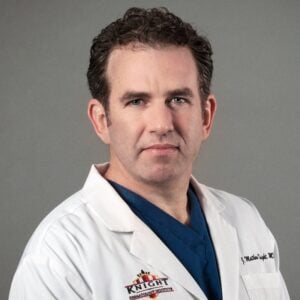
J. Matthew Knight, MD, a nationally-recognized, board-certified dermatologist and Mohs surgeon who specializes in skin cancer, micrographic dermatologic surgery
-
Treatment of all types of skin cancer, including melanoma, basal cell carcinoma and squamous cell carcinoma, as well as pre-cancerous lesions
-
Advanced surgical technique of Mohs micrographic surgery
-
Integrated approach to both oncologic and reconstructive/aesthetic skin care