Warts Removal
BOARD-CERTIFIED DERMATOLOGICAL TREATMENT
Warts are common skin growths caused by the human papillomavirus (HPV) and can be stubborn to treat at home. Our dermatologists offer in-office treatments that remove warts effectively and reduce the chance they return.
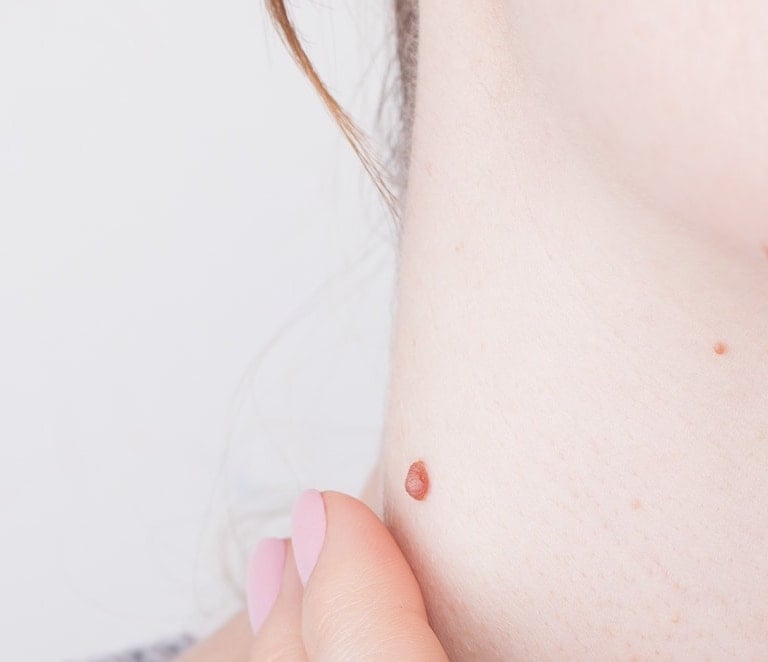
What Are Warts?
Warts are small, benign (non-cancerous) growths on the skin or mucous membranes caused by an infection with the human papillomavirus (HPV). There are over 100 types of HPV, and different strains tend to cause different kinds of warts.
Warts are contagious and can spread through direct contact or contact with contaminated surfaces, such as pool decks, locker rooms and shared towels. They are especially common in children, teens and people with a weakened immune system.
Most warts go away on their own as the immune system fights off the infection, but they can be stubborn and take months or even years to resolve. If a wart is painful, spreading or simply won’t go away, our dermatologists in Orlando, Lake Mary, Winter Park and Melbourne offer in-office treatments that work faster.
Common Types of Warts
Warts look different depending on the type of HPV and where they grow on the body. These are the types our dermatologists treat most often:
Common Warts
Common warts (verruca vulgaris) are rough, raised bumps that typically appear on the hands, fingers or elbows. They often have tiny black dots, which are small clotted blood vessels.
They are the most common type of wart and usually respond to salicylic acid or cryotherapy.
Plantar Warts
Plantar warts are found on the soles of the feet. Because of the pressure from walking, they may grow inward and can be painful, feeling like a pebble in your shoe.
Plantar warts can be stubborn and often need professional treatment.
Flat Warts
Flat warts are smaller and smoother than other warts and typically appear in clusters on the face, arms or legs. They can spread through shaving.
Prescription creams are often used for flat warts, especially on the face.
Filiform Warts
Filiform warts have a long, thin, finger-like appearance and are usually found on the face, especially around the eyes, nose and mouth.
Because of their location, they should be removed by a dermatologist.
Periungual Warts
Periungual warts grow around the fingernails and toenails. They can be painful, interfere with nail growth and are often linked to nail biting.
They can be harder to treat than other warts and may need a combination of treatments.
Genital Warts
Genital warts appear on the genital or anal areas and are usually caused by specific strains of HPV. They should always be evaluated and treated by a medical professional.
Over-the-counter wart products should never be used in this area.
TREATMENT
How Are Warts Treated?
If you want to speed up healing, or if a wart is painful or spreading, there are several effective options. Your dermatologist will recommend treatment based on the type of wart, where it is and how long you’ve had it.
Salicylic Acid
Salicylic acid is the most common treatment and comes in gels, pads and liquids. It gradually removes layers of the wart and works best when the wart is soaked in warm water and gently filed first. Dermatologists can prescribe stronger preparations.
Cryotherapy (Liquid Nitrogen)
In-office cryotherapy freezes the wart with liquid nitrogen, causing the tissue to blister and eventually fall off. It is effective but may require multiple treatments a few weeks apart.
Immunotherapy
For resistant or widespread warts, treatments that stimulate the immune system can help. These include imiquimod cream and injections such as candida antigen, which prompt the body to fight the virus.
Laser Treatment
A laser is used to destroy wart tissue. It is typically used for warts that don’t respond to other treatments or are in difficult-to-treat locations.
Electrosurgery
The wart is burned off using an electrical current. This is usually reserved for warts that are difficult to treat with other methods.
Surgical Removal
If a wart is very large or resistant to other treatments, it may be removed surgically by cutting it out under local anesthesia.
WHEN TO SEE A DERMATOLOGIST
When To See a Doctor for Warts
Warts can be a nuisance, but with proper treatment they are typically manageable. Book a visit with a dermatologist if any of these apply:
It’s Painful or Growing Quickly
A wart that hurts, grows fast or changes in appearance should be examined to confirm the diagnosis and start treatment.
It’s Spreading
If warts are spreading to other parts of your body or to family members, professional treatment can help stop the cycle.
It’s in a Sensitive Area
Warts on the face, around the nails or in the genital region should be treated by a dermatologist, not with home products.
Home Treatment Isn’t Working
If a wart hasn’t responded to over-the-counter treatment after several weeks, or you have a weakened immune system or diabetes, see a dermatologist.
FAQs
Frequently Asked Questions About Warts
Are warts contagious?
Do warts go away on their own?
Does wart removal hurt?
Why do warts come back?
Does the duct tape method work?