Rosacea
BOARD-CERTIFIED DERMATOLOGICAL TREATMENT
Rosacea causes facial redness, flushing, visible blood vessels and acne-like bumps. Our dermatologists help you identify triggers and combine medical treatment with laser options to reduce redness and flare-ups.
What Is Rosacea?
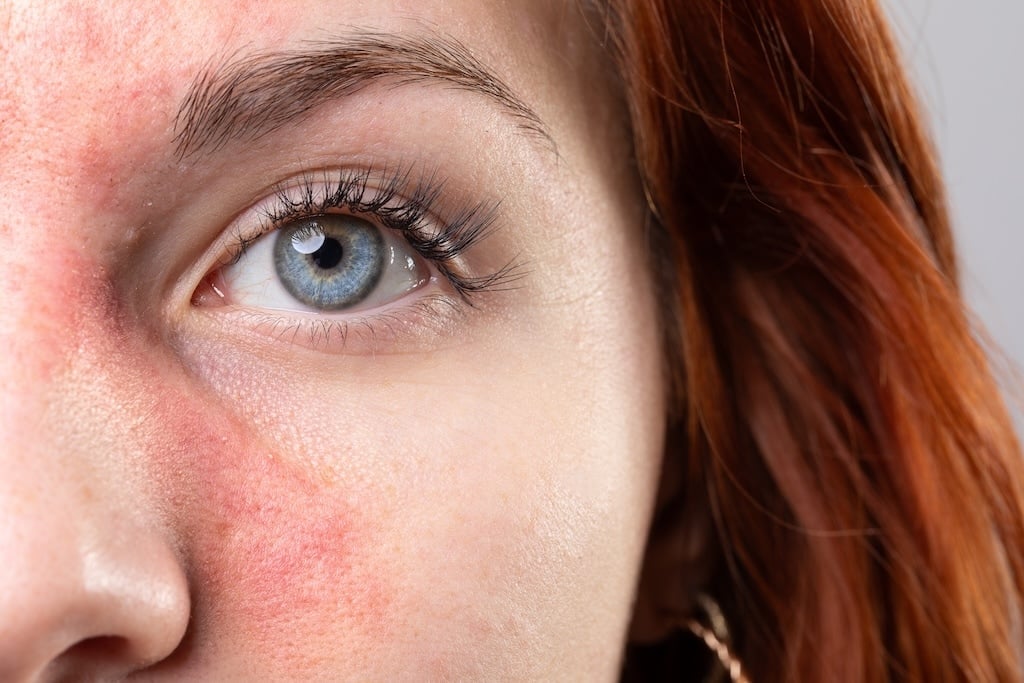
Rosacea is a chronic skin condition that typically affects the face and sometimes the eyes. It’s common to mistake this inflammatory skin problem for acne, an allergic reaction or eczema because of the redness and acne-like bumps it causes.
Rosacea causes your face and neck to blush or flush more easily. Many people with rosacea also have small, red, pus-filled bumps, especially on the cheeks, nose and forehead. Other symptoms include persistent redness, facial swelling, dry and flaky or sensitive skin, visible broken blood vessels, an enlarged nose and red, irritated eyes.
Rosacea is most common in adults between 30 and 50 and in people with fair skin, though it can affect anyone. There isn’t a cure, but our board-certified dermatologists in Orlando, Lake Mary, Winter Park and Melbourne can help you manage your symptoms and ease your discomfort.
Types of Rosacea
Rosacea shows up in several ways, and many people have features of more than one type. Your dermatologist will design a treatment plan to address the specific type you have.
Redness and Flushing
This type, called erythematotelangiectatic rosacea, causes persistent redness across the cheeks, nose, chin and forehead, along with frequent flushing and visible broken blood vessels. The skin is often sensitive and may sting or burn.
Avoiding triggers, gentle skin care and prescription creams help with redness, and laser or light treatments can reduce visible blood vessels.
Bumps and Breakouts
Papulopustular rosacea causes red, swollen bumps and pus-filled pimples on top of facial redness, which is why it is often mistaken for acne. Unlike acne, it doesn’t cause blackheads.
Prescription skin creams and oral antibiotics are very effective for this type. According to the American Academy of Dermatology (AAD), most people notice a significant reduction in acne-like breakouts after one month of oral antibiotics.
Thickened Skin
In phymatous rosacea, the skin becomes thick and bumpy, most often on the nose (rhinophyma). It is more common in men and usually develops after years of other rosacea symptoms.
Early treatment helps prevent thickening, and laser and surgical procedures can reshape skin that has already thickened.
Ocular Rosacea
Rosacea can affect the eyes, causing redness, burning, dryness, a gritty feeling, swollen eyelids and sensitivity to light. Eye symptoms sometimes appear before skin symptoms.
Let your dermatologist know if your eyes are bothering you. Ocular rosacea can usually be managed with eyelid care and medication, and you may be referred to an eye doctor.
TREATMENT
Rosacea Treatment Options
There isn’t a cure for rosacea, but there are treatment options that can help you successfully manage your symptoms. Your dermatologist will work with you to build a plan that may include topical medications, oral antibiotics, light therapy or laser therapy.
Prescription Skin Creams
Prescription creams and gels can reduce redness, inflammation and acne-like breakouts. Some are designed to calm bumps, while others temporarily constrict blood vessels to reduce redness.
Oral Antibiotics
Oral antibiotics can ease swelling, reduce redness and improve acne-like bumps. They are often used at low doses that work as anti-inflammatories and are combined with a topical treatment.
Laser and Light Therapy
Laser and light treatments, including photodynamic therapy, can reduce persistent redness, visible blood vessels and acne-like bumps. They don’t work for everyone, and most people need a series of sessions.
Treatment for Thickened Skin
When rosacea has thickened the skin of the nose or face, laser resurfacing and surgical techniques can remove excess tissue and improve its shape.
PREVENTION
How To Prevent Rosacea Flare-Ups
Understanding what triggers your symptoms and following a consistent skin care routine are important parts of rosacea treatment.
Keep a Trigger Journal
Keeping a journal of the foods you eat, drinks and activities can help you identify triggers that make your symptoms worse. Common ones include spicy foods, alcohol, hot drinks and extreme temperatures.
Wear Sunscreen Every Day
Sun exposure is one of the most common rosacea triggers. Wear a broad-spectrum mineral sunscreen with SPF 30 or higher every day, along with a wide-brimmed hat in the Florida sun.
Use Gentle Skin Care
Avoid harsh products that irritate your skin, such as scrubs, toners with alcohol, menthol and strong fragrances. Use a mild cleanser and a moisturizer made for sensitive skin.
Stay Cool
Heat, humidity, hot showers and intense exercise can bring on flushing. Exercise in cooler parts of the day, stay hydrated and use lukewarm water on your face.
FAQs
Frequently Asked Questions About Rosacea
Is rosacea the same as acne?
Can rosacea be cured?
What triggers rosacea?
Can lasers get rid of rosacea redness?
Should I see a dermatologist for facial redness?